

Breathing Techniques for Stress Relief
Three simple breathing methods that calm your nervous system. You’ll see the difference in how you respond to stressful moments.
A practical guide to your first meditation session. No special equipment needed — just 5 minutes and a quiet space.

Meditation isn’t complicated. You don’t need a special room, fancy apps, or years of practice to begin. Most people think they’re doing it wrong on their first try — they’re not. The truth is simpler than you’d expect.
We’ve worked with over 2,000 beginners since 2015. What we’ve noticed? The ones who succeed aren’t more disciplined or naturally calm. They just started small and kept showing up. Five minutes beats zero minutes every single time.
This guide covers what you actually need to know before sitting down for the first time — no mystical language, no pretending it’s something it isn’t.
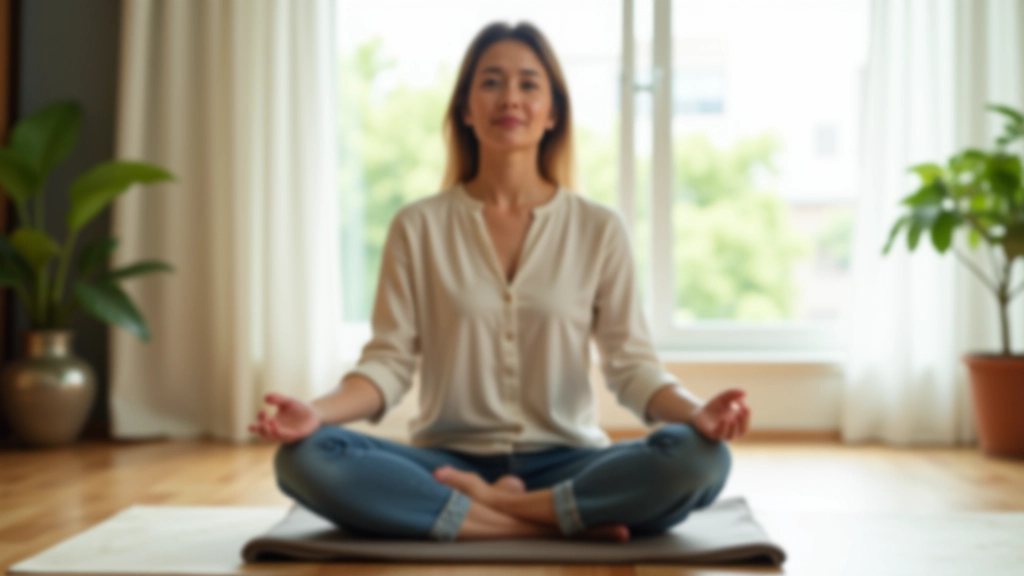
Location matters more than you think. You’re looking for somewhere quiet — not silent necessarily, but quiet enough that sudden noises won’t startle you. A bedroom works. A corner of your living room works. Even a park bench on a calm morning works.
Now, how you sit. This is where people overthink things. You don’t need to sit in a perfect lotus position. You can sit on a chair, on a cushion, or even lie down if that’s what you’ve got. The goal is a position you can hold for 5 minutes without your leg falling asleep or your back screaming at you.
Most beginners do best with a straight spine — shoulders relaxed, not tensed up. Your hands can rest on your knees or in your lap. The point isn’t looking a certain way. It’s being comfortable enough that your body stops demanding attention.
Educational Note: This guide is for general informational purposes. Meditation can be a valuable wellness practice, but it’s not a replacement for professional medical or mental health treatment. If you’re dealing with anxiety, depression, or other health concerns, speak with a healthcare provider alongside any meditation practice you develop.
Here’s what you’re actually doing when you meditate: focusing on your breath. That’s the whole thing. You’re not trying to achieve some special state or clear your mind completely. You’re just noticing your breathing.
Start by breathing normally. Don’t change anything yet. Just feel the air moving in and out. Notice where you feel it most — your nose, your chest, your belly. That’s your anchor point. When your mind wanders (and it will), you gently bring it back to the breath. That’s meditation.
A simple pattern that works for beginners: breathe in for 4 counts, hold for 2, exhale for 4. Do this for 5-10 cycles. It slows everything down without feeling forced. Your nervous system calms down naturally when you’re breathing slower than normal.

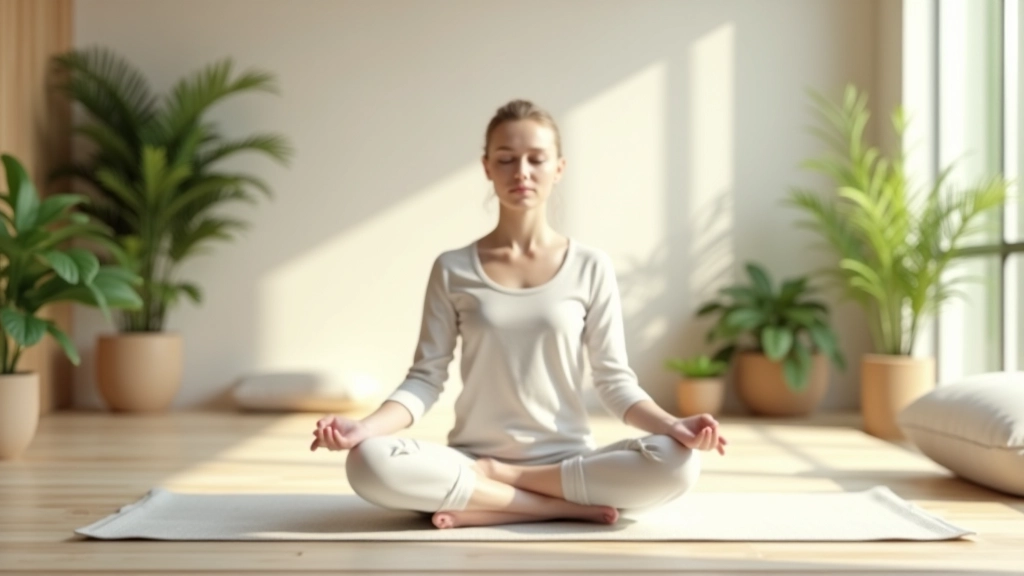
Your mind will wander. This isn’t a failure. This is what minds do. You’ll be focusing on your breath, then suddenly you’re thinking about your grocery list or replaying a conversation from three days ago. That’s completely normal.
The moment you notice your mind has wandered — that’s actually the meditation working. That awareness is the point. You’re training your attention muscle. So when you catch yourself daydreaming, you don’t get frustrated. You just notice it happened, smile a little, and bring your focus back to breathing.
Most beginners notice this shift after 2-3 weeks of consistent practice. You’ll catch your mind wandering faster. You’ll stay focused longer. But even on day one, when your mind wanders 50 times in 5 minutes — that’s still meditation. You’re still building the skill.
Use your phone. Set it for 5 minutes. That’s enough time to feel something shift without feeling like forever.
Choose your spot. Sit comfortably. Close your eyes or keep them softly focused downward. Whatever feels natural.
Feel the air moving in and out. Don’t force anything. Just observe. That’s it.
Mind wanders? Bring it back. No judgment. This happens every single time for everyone.
Open your eyes. Take a moment. Notice how you feel. Done. You just meditated.
It happens, especially if you’re tired. Your body needed rest. Sit up straighter next time or meditate earlier in the day. It’s not a problem — just adjust.
Background sounds are fine. Traffic, birds, people talking in the next room — it’s all okay. You’re training focus, not requiring perfection.
Daily is ideal, but even 3 times a week builds real benefits. Consistency matters more than duration. Five minutes every day beats 30 minutes once a month.
Some people notice changes immediately. Others take weeks. Most notice better sleep, less racing thoughts, and calmer reactions to stress within 2-3 weeks of regular practice.
Meditation isn’t mystical. It’s not something only calm people can do. It’s a skill you build through practice, just like learning to cook or play an instrument. And like any skill, you get better the more you show up.
Your first session might feel awkward. Your mind might wander constantly. Your back might feel stiff. That’s completely normal. You’re not doing it wrong. You’re doing it exactly right — the beginning is always a little uncomfortable.
The real magic isn’t in some special state you’re chasing. It’s in the small shifts that happen when you sit down regularly and notice your breath. Better focus. Fewer anxiety spirals. More patience with people who frustrate you. A clearer sense of what actually matters.
So pick a time tomorrow. Sit down for 5 minutes. Notice your breath. That’s all you need to do. Everything else builds from there.
Ready to explore more mindfulness practices?
Learn Breathing Techniques